Health Hint 210, by Kristen Dotson
Dehydration occurs when the body uses or loses more fluid than it takes in. Then the body doesn’t have enough water and other fluids to do its usual work. Not replacing lost fluids leads to dehydration. Thirst isn’t always a good way to tell if the body needs water. Many people, mainly older adults, don’t feel thirsty until they’re dehydrated. That’s why it’s important to increase water intake during hot weather or while ill.
They symptoms of dehydration can differ by age. In an infant or young child, you may see decreased urination and no wet diapers for several hours, lack of tears when crying, dry mouth, rapid heart rate, sunken eyes or cheeks, lacking energy, crankiness, and skin that doesn’t flatten down after being pinched. In an adult you may see extreme thirst, urinating less or dark colored urine, fatigue, dizziness, confusion, sunken eyes or cheeks, and skin that doesn’t flatten down after being pinched.
Sometimes dehydration occurs for simple reasons. These include not drinking enough water. This can happen when you’re sick or too busy to remember to drink enough. Or there might be no safe water to drink when traveling, hiking or camping. Diarrhea and vomiting, fever, weather related activities that cause sweating, medicines, and diabetes can also contribute to dehydration. Heat injury, seizures, urinary and kidney problems, and low blood volume or shock are complications that can result from dehydration.
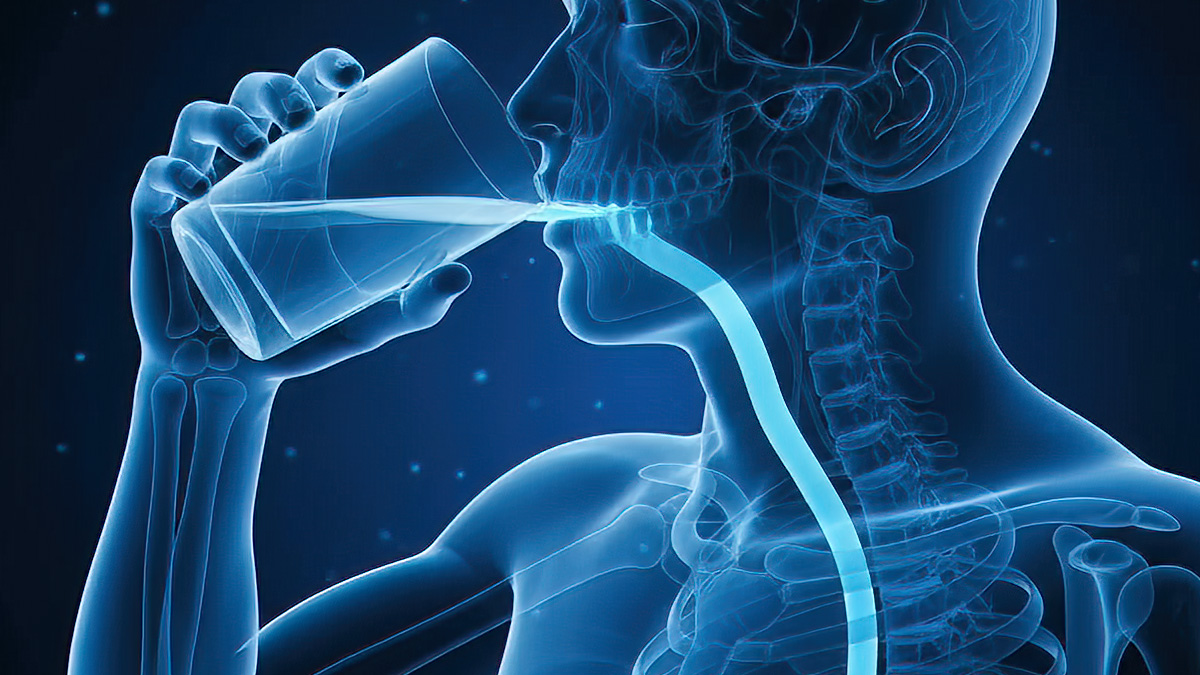
To keep from getting dehydrated, drink fluids and eat foods that hold a lot of water, such as fruits and vegetables. Don’t drink fluids that have caffeine or a lot of sugar, such as sodas and some energy drinks. They can be dehydrating. The only way to treat dehydration is to replace lost fluids and lost electrolytes. The best way to replace lost fluids depends on age, how bad the dehydration is and its cause.
For infants and children who are dehydrated from diarrhea, vomiting or fever, use water with electrolytes such as Pedialyte or Smart Water. Most adults with mild to moderate dehydration from diarrhea, vomiting or fever can get better by drinking more water or other liquids. For children and adults, drinking full-strength fruit juice and soft drinks might make diarrhea worse. If symptoms are not resolving, please seek medical attention.
Stay hydrated and have a wonderful summer!