Health Hint 207, by Kristen Dotson
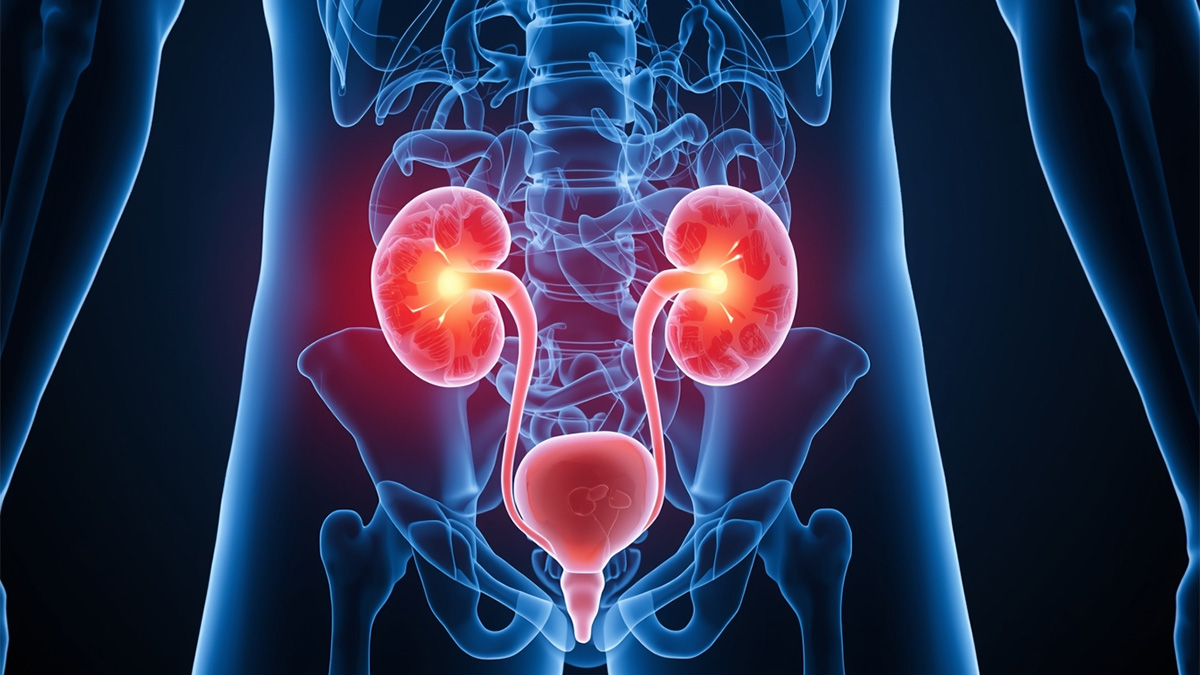
A urinary tract infection (UTI) is an infection in any part of the urinary system. The urinary system includes the kidneys, ureters, bladder and urethra. Most infections involve the lower urinary tract, the bladder and the urethra. Women are at greater risk of developing a UTI than are men. If an infection is limited to the bladder, it can be painful and annoying. But serious health problems can result if a UTI spreads to the kidneys.
UTIs typically occur when bacteria enter the urinary tract through the urethra and begin to spread in the bladder. The urinary system is designed to keep out bacteria. But the defenses sometimes fail. When that happens, bacteria may take hold and grow into a full-blown infection in the urinary tract.
UTIs do not always cause symptoms, however when they do, they may include:
- A strong urge to urinate that doesn’t go away
- A burning feeling when urinating
- Urinating often, and passing small amounts of urine
- Urine that looks cloudy
- Urine that appears red, bright pink, or cola-colored-signs of blood in the urine
- Strong smelling urine
- Pelvic pain in women, especially in the center of the pelvis and around the area of the pubic bone
- In older adults, it may cause confusion
- If the kidneys are affected symptoms may include back and/or side pain, fever, chills, nausea and vomiting
These steps may help lower the risk of UTIs:
- Drink plenty of liquids, especially water. Avoid drinks that irritate your bladder, such as, coffee (caffeine), alcohol, soft drinks containing citrus juices.
- Try cranberry juice (studies are not final if cranberry juice is helpful in prevention but likely not harmful)
- Cleanse from front to back
- Avoid potentially irritating cleansers or deodorants
Your healthcare provider may ask you to provide a urine sample to send to the lab for analysis. The urine sample will be checked for red blood cells, white blood cells, and bacteria. A urine culture can identify the bacteria so the appropriate antibiotic can be ordered. If you have frequent UTIs, the provider may need to order a CT scan or MRI to see if there are any structural problems in the urinary tract. Also, the provider may need to use a scope to see inside the urethra and bladder. Antibiotics usually are the first treatment for urinary tract infections. Your health and the type of bacteria found in your urine determine which medicine is used and how long you need to take it. If you have a severe infection, you may need IV antibiotics in a hospital setting. Often, UTI symptoms clear up within a few days of starting treatment. But you may need to continue antibiotics for a week or more. Take all of the medicine as prescribed.