Parkinson’s disease is a movement disorder of the nervous system that worsens over time. The nervous system is a network of nerve cells that controls many parts of the body, including movement.
Symptoms start slowly. The first symptom may be a barely noticeable tremor in just one hand or sometimes a foot or the jaw. Tremor is common in Parkinson’s disease. But the disorder also may cause stiffness, slowing of movement and trouble with balance that raises the risk of falls.
In the early stages of Parkinson’s disease, your face may show little or no expression. Your arms may not swing when you walk. Your speech may become soft or slurred. Symptoms get worse over time.
Although Parkinson’s disease can’t be cured, medicines may help symptoms get better. Sometimes a healthcare professional may suggest surgery to help control parts of the brain. This surgery may help lessen symptoms. Symptoms may include, tremor, slowed movement called bradykinesia, rigid muscles, poor posture and balance, loss of automatic movements, speech changes, writing changes, nonmotor symptoms such as sleep problems.
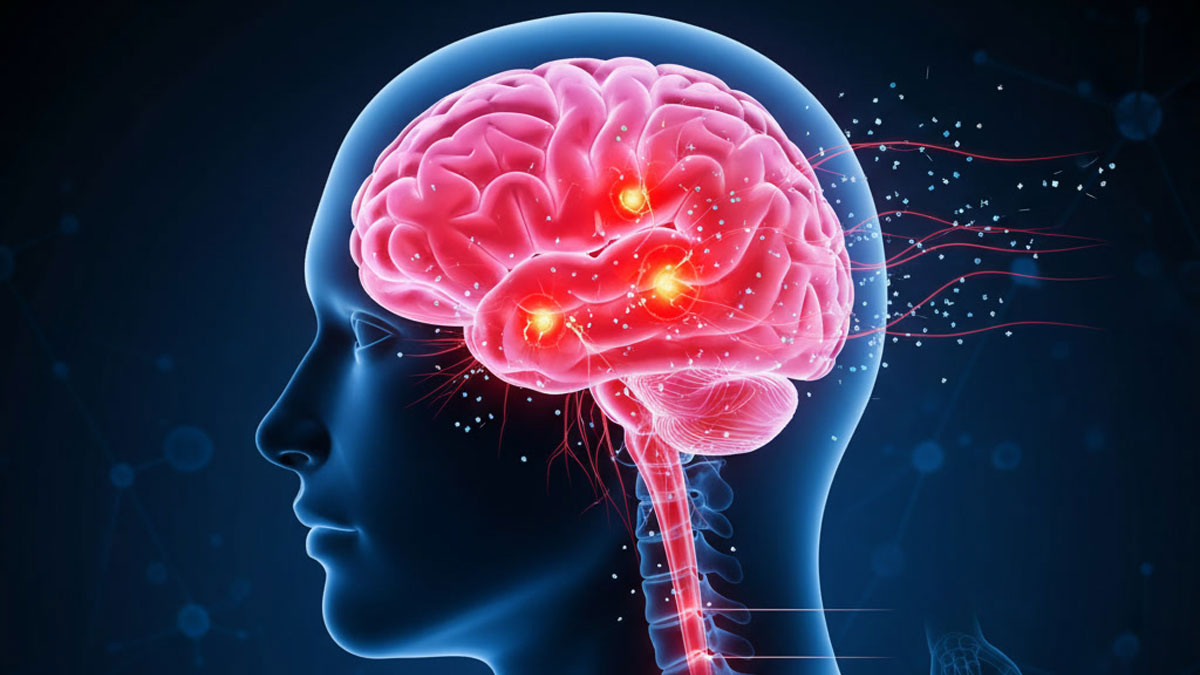
In Parkinson’s disease, nerve cells in the brain called neurons slowly break down or die. Many Parkinson’s disease symptoms are caused by a loss of neurons that produce a chemical messenger in the brain. This messenger is called dopamine. Decreased dopamine leads to irregular brain activity. This causes movement problems and other symptoms of Parkinson’s disease. People with Parkinson’s disease also lose a chemical messenger called norepinephrine that controls many body functions, such as blood pressure. The cause of Parkinson’s disease is unknown, but several factors seem to play a role, including: genes, environmental factors, presence of Lewy bodies (clumps of proteins in the brain), altered mitochondria (compartments inside cells that create body’s energy).
Because the cause of Parkinson’s disease is not known, there are no proven ways to prevent it. Research shows that some factors may help protect against it. But scientists don’t know for sure. These factors include: exercise, caffeine, medicines such as ibuprofen and statins.