Keeping hands clean is one of the most important ways staff and students can stay healthy during the school day. School-based and early care and education programs promoting hand hygiene can result in less gastrointestinal and respiratory illness and fewer missed days. Many diseases and conditions are spread by not washing hands with soap and clean, running water. If clean, running water is not accessible, as is common in many parts of the world, use soap and available water. If soap and water are unavailable, use an alcohol-based hand sanitizer that contains at least 60% alcohol to clean hands.
When should you wash your hands?
- Before, during, and after preparing food
- Before eating food
- Before and after caring for someone who is sick
- Before and after treating a cut or wound
- After using the toilet
- After changing diapers or cleaning up a child who has used the toilet
- After blowing your nose, coughing, or sneezing
- After touching an animal, animal feed, or animal waste
- After handling pet food or pet treats
- After touching garbage
How should you wash your hands?
- Wet your hands with clean, running water (warm or cold), turn off the tap, and apply soap.
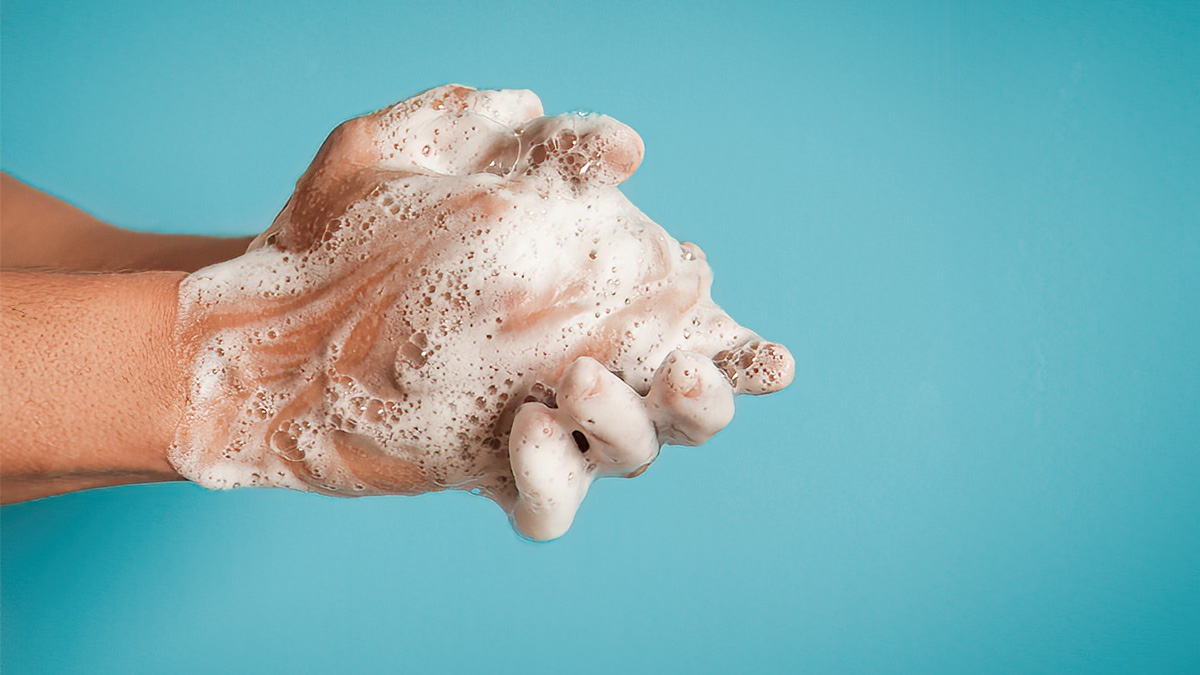
- Lather your hands by rubbing them together with the soap. Be sure to lather the backs of your hands, between your fingers, and under your nails.
- Scrub your hands for at least 20 seconds. Need a timer? Hum the “Happy Birthday” song from beginning to end twice.
- Rinse your hands well under clean, running water.
- Dry your hands using a clean towel or air dry them.
How do you use hand sanitizers?
- Apply the product to the palm of one hand (read the label to learn the correct amount).
- Rub your hands together.
- Rub the product over all surfaces of your hands and fingers until your hands are dry.