Oral hygiene is the practice of keeping your mouth clean and disease-free. It involves brushing and flossing your teeth as well as visiting your dentist regularly for dental X-rays, exams and cleanings. Oral health is also linked to whole-body health. For example, if an infection is present in your mouth, your bloodstream can carry the bacteria to other areas of your body, leading to other health concerns like heart disease and stroke. Keeping your teeth and gums healthy is an important part of long-lasting overall health.
There are several warning signs that could indicate oral health problems. The most common signs of poor oral hygiene include: bleeding gums, tooth decay, chronic bad breath, loose teeth, gum recession, mouth sores, toothache, swelling of the jaw and gingivostomatitis (infection of the mouth caused by certain bacteria or viruses).
How can I improve my oral hygiene?
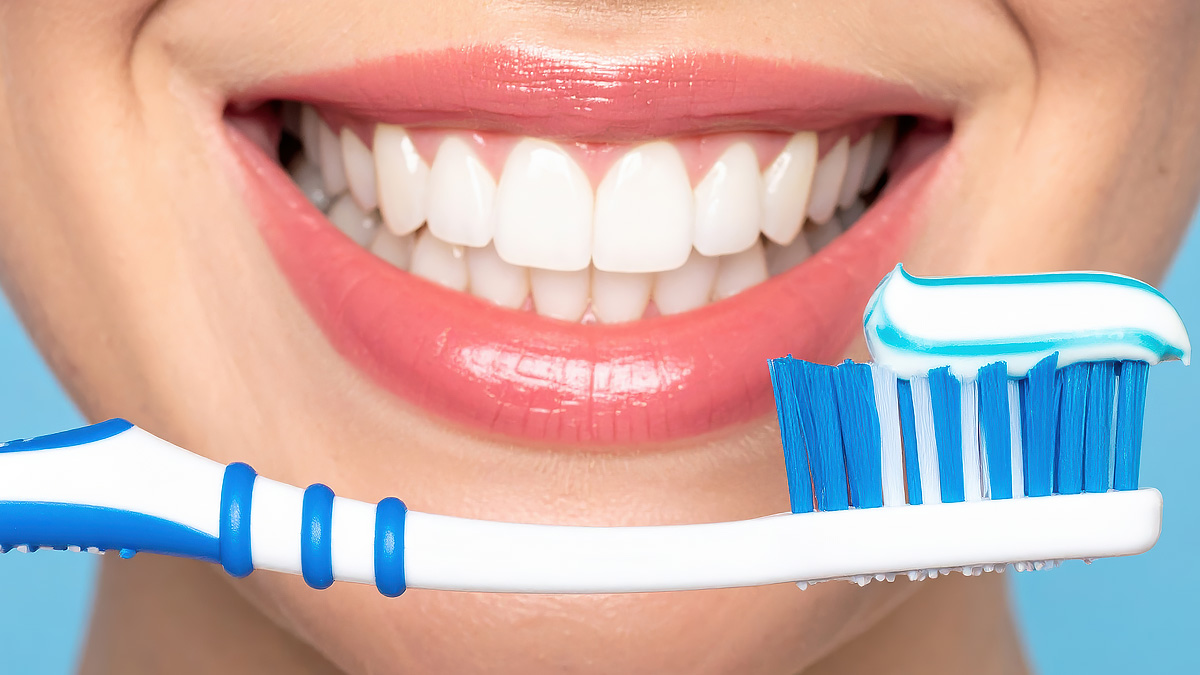
- Brush your teeth at least twice a day. Use fluoride toothpaste and a soft-bristled toothbrush. (Medium or hard bristles can damage your gums and tooth enamel.) When you brush, place your toothbrush at a 45-degree angle toward your gums. This helps sweep away plaque and bacteria at the gum line. Be sure to brush all teeth surfaces, including the backs and sides.
- Floss at least once daily. You can’t reach the spaces between your teeth with brushing alone. To clean these areas, you need dental floss. Take a piece of floss that’s about 18 inches long. Wrap each end around your middle fingers. Using your thumbs and forefingers, guide the floss between two teeth. Wrap the floss snugly around one tooth in a C shape and clean it using about 10 up and down strokes. Next, wrap the floss around the other tooth and repeat. Continue this process on all of your teeth. If you have dexterity issues, you can also use interproximal brushes and dental picks to clean between your teeth. While water flossers are excellent for removing large pieces of food and debris, they can’t remove the biofilm from your teeth surfaces. So, if you use a water flosser, be sure to use traditional dental floss as well.
- Brush your tongue. Your tongue holds bacteria like a sponge. Whenever you brush your teeth, don’t forget to brush your tongue. You can use your toothbrush for this purpose. Or, you can purchase a tongue scraper in the oral health aisle.
- Use an antibacterial mouthwash every day. Antibacterial mouthwash helps keep harmful oral bacteria at bay. In addition to washing away food and debris, it also reduces plaque buildup. Be sure to choose an alcohol-free formula to prevent dry mouth.
- Visit your dentist regularly. Routine dental exams and cleanings are essential for good oral health. Many people do well with six-month visits. But, if you’re prone to cavities, gum disease or other oral health problems, you may need more frequent appointments.
- Avoid smoking and other tobacco products. Smoking is a leading cause of gum disease and oral cancer.
- If you wear dentures, placing a denture in water (or a denture cleanser solution) when it is not being worn helps the denture retain its shape, remain pliable and keeps it from drying out. Dentures should never be placed in hot or boiling water, which could cause them to warp. Denture adhesives are not a remedy for ill-fitting dentures, which may need to be relined or replaced to prevent oral sores from developing.